BY THE OPTIMIST DAILY EDITORIAL TEAM
Most of us know the feeling of standing in front of a painting that makes us pause. Maybe it’s a burst of color that lifts our mood or a quiet scene that steadies the mind. Either way, a new study from King’s College London suggests that these moments are doing far more than sparking emotion. Researchers have found measurable evidence that viewing original art can support both mental health and long-term physical well-being.
Their findings point to something powerful: spending even a short amount of time with original artworks may reduce stress, improve emotional balance, and potentially contribute to a longer, healthier life. And the best part is that you do not need to be an art expert to benefit.
What the study actually measured
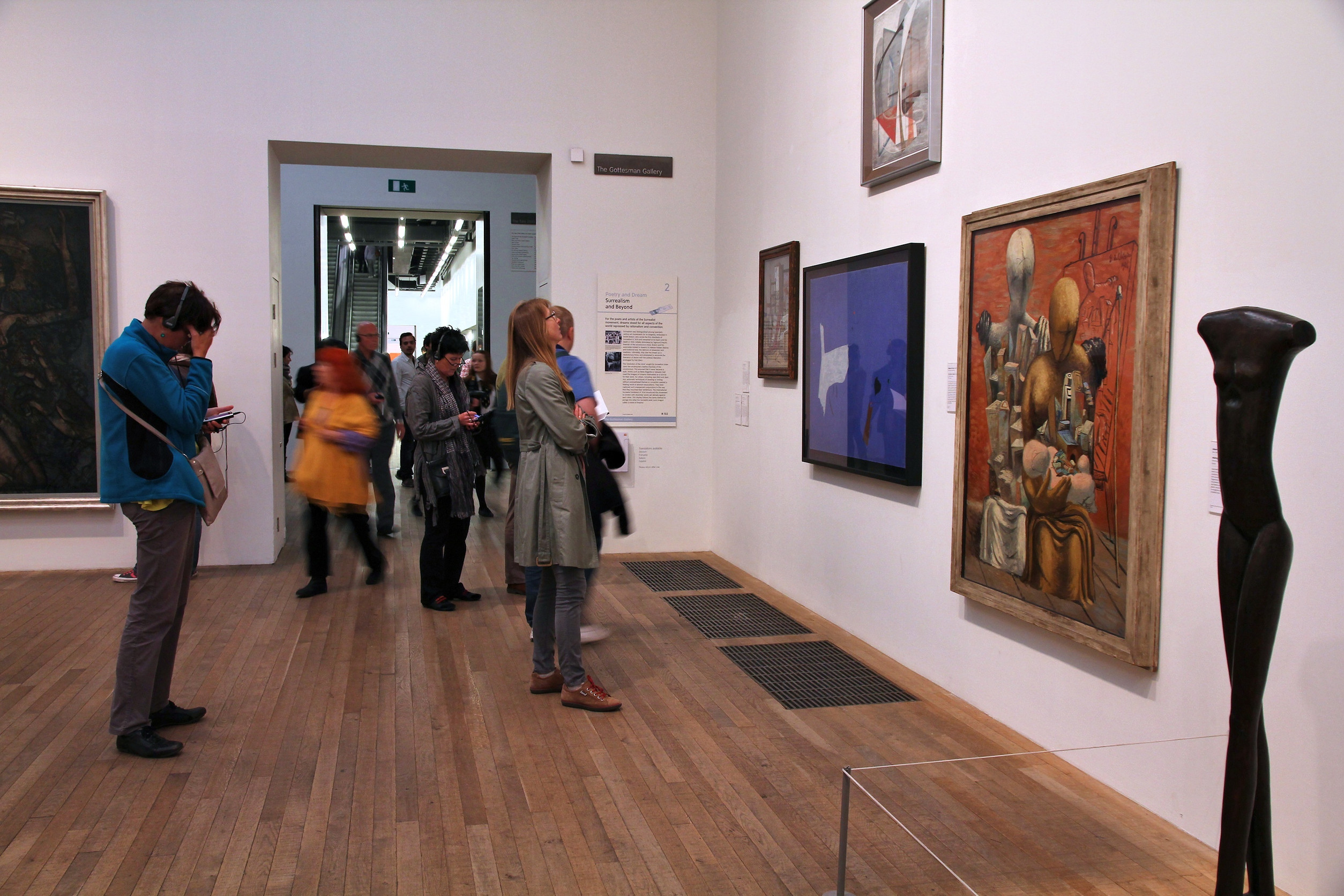
To explore the connection between art and health, researchers invited fifty healthy adults between the ages of eighteen and forty to take part in an experiment. One group visited The Courtauld Gallery in London, where they viewed original masterpieces by artists including Vincent van Gogh and Édouard Manet. A second group viewed high-quality reproductions in a non-gallery setting.
Participants wore sensors that tracked heart rate, skin temperature, and other subtle responses. They also provided saliva samples before and after the experience so researchers could measure changes in stress and inflammation.
The results were striking:
- Cortisol, better known as the body’s primary stress hormone, fell by 22 percent among gallery visitors. Those who saw reproductions saw only an eight percent drop.
- Pro-inflammatory cytokines decreased by 30 percent in the gallery group and 28 percent in the reproduction group.
- Gallery visitors also showed signs of emotional engagement, including small drops in skin temperature and variation in heart-rate patterns.
These shifts matter because high cortisol and inflammation are linked to chronic conditions such as anxiety, heart disease, and diabetes. In other words, your quiet moment with an original painting could be supporting your long-term health in ways you cannot feel immediately.
Why original art matters even more
Although both groups experienced some positive changes, the impact was stronger for those who viewed original artworks. Researchers believe that the immersive environment of a gallery adds layers of sensory experience with elements that highlight space, scale, texture, and atmosphere. These aspects work together to deepen the body’s response.
Importantly, the researchers emphasized that the benefits appeared regardless of art knowledge or emotional intelligence. You do not need to understand an artist’s entire catalog or even consider yourself an “art person” to gain something meaningful.
A simple, accessible step toward wellbeing
The implications of this study reach beyond museum walls. These findings help pave the way for broader integration of art and wellbeing, offering a low-cost and accessible option for reducing loneliness, easing depression, and improving life satisfaction.
And while art may not replace clinical care, it can be a gentle, joyful tool to add to your wellness routine. The next time you find yourself lingering in front of a painting, know that your body is responding in ways that support you; calming, stimulating, and restoring at the same time.