BY THE OPTIMIST DAILY EDITORIAL TEAM
Welcome to our Best of 2025 spotlight on the environment, which we all know is one of the most dynamic and urgent spaces for innovation and impact. This year brought so5e truly awe-inspiring breakthroughs in sustainability, conservation, and climate resilience. These stories remind us that when creativity and science meet care for the planet, real transformation is possible.
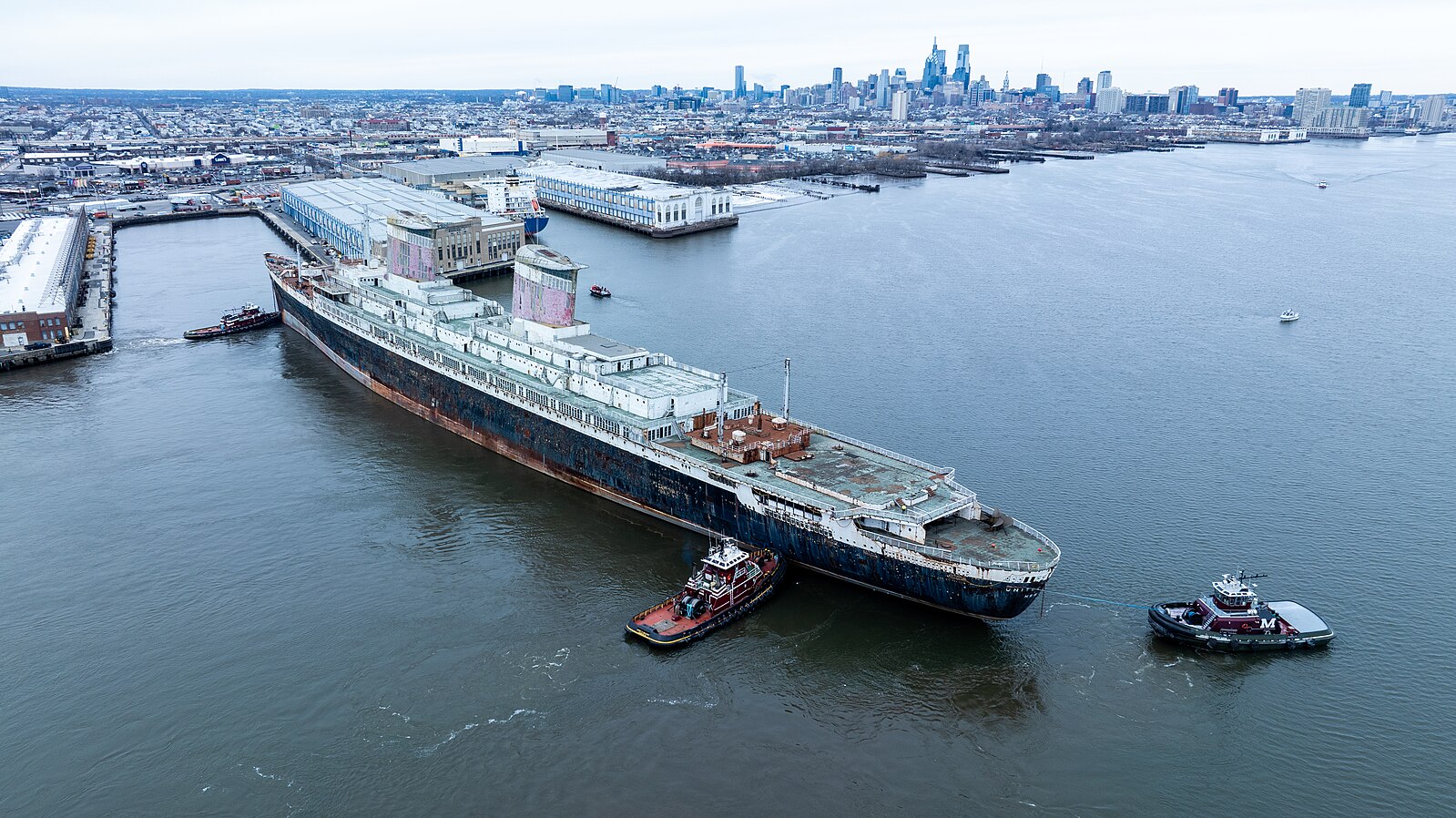
The SS United States, once a gleaming symbol of American engineering might, is charting a new course beneath the waves. The 1,000-foot ocean liner, which shattered transatlantic speed records on its maiden voyage in 1952, has left its long-time berth on Philadelphia’s Delaware River. Its destination? The bottom of the Gulf of Mexico, where it will become the world’s largest artificial reef.
This ambitious plan comes after years of uncertainty about the ship’s fate, a tense rent dispute, and a last-minute safety inspection by the U.S. Coast Guard. The vessel is currently being towed to Mobile, Alabama, for extensive prep work before its final submersion off the coast of Okaloosa County, Florida.
Susan Gibbs, president of the SS United States Conservancy and granddaughter of the ship’s designer, expressed mixed emotions about the historic journey. “The ship will forever symbolize our nation’s strength, innovation, and resilience,” Gibbs said. “We wish her ‘fair winds and following seas’ on her historic journey to her new home.”
A record-breaking past and an uncertain future
In its heyday, the SS United States was a marvel of modern engineering. On its maiden voyage, the ship set a transatlantic speed record of 36 knots—just over 41 miles per hour—crossing the Atlantic Ocean in three days, 10 hours, and 40 minutes. This impressive feat bested the RMS Queen Mary’s time by 10 hours, a record that remains unbeaten by any ocean liner to this day.
The vessel’s speed wasn’t just for show; it was designed with national security in mind. In addition to ferrying wealthy passengers across the Atlantic, the SS United States was capable of transporting thousands of troops at unprecedented speeds in the event of a military emergency.
But as air travel rose to dominance, the ship’s glory days quickly faded. By 1969, it was relegated to reserve status and eventually passed through the hands of several private owners, all of whom found the cost of restoring the vessel to be prohibitively expensive.
A new life beneath the waves
Transforming a massive ocean liner into an artificial reef is no small task. The process involves extensive cleaning to ensure that no pollutants harm marine ecosystems, as well as careful planning to position the ship in a way that will maximize its appeal to marine life and divers alike. Officials estimate that it will take at least one-and-a-half years to complete the cleaning, transportation, and submersion of the vessel.
If all goes according to plan, the SS United States will join more than 500 artificial reefs already off the coast of Florida’s Panhandle, providing a new home for coral, fish, and other marine species.
Preserving history while embracing the future
For many, the decision to transform the SS United States into an artificial reef is a bittersweet one. The ship’s storied past, from its record-breaking voyages to its service as a symbol of American innovation, makes it a powerful icon. But with restoration costs soaring and no viable alternatives, this new plan offers a way to preserve the vessel’s legacy—if not above water, then beneath it.
Susan Gibbs acknowledged the mixed emotions surrounding the decision but expressed hope that the ship’s next chapter will be a fitting tribute.
In a world where climate change and environmental degradation pose increasing threats to our oceans, transforming a historic vessel into a marine sanctuary feels like a fitting end to the SS United States’ long and storied journey.