BY THE OPTIMIST DAILY EDITORIAL TEAM
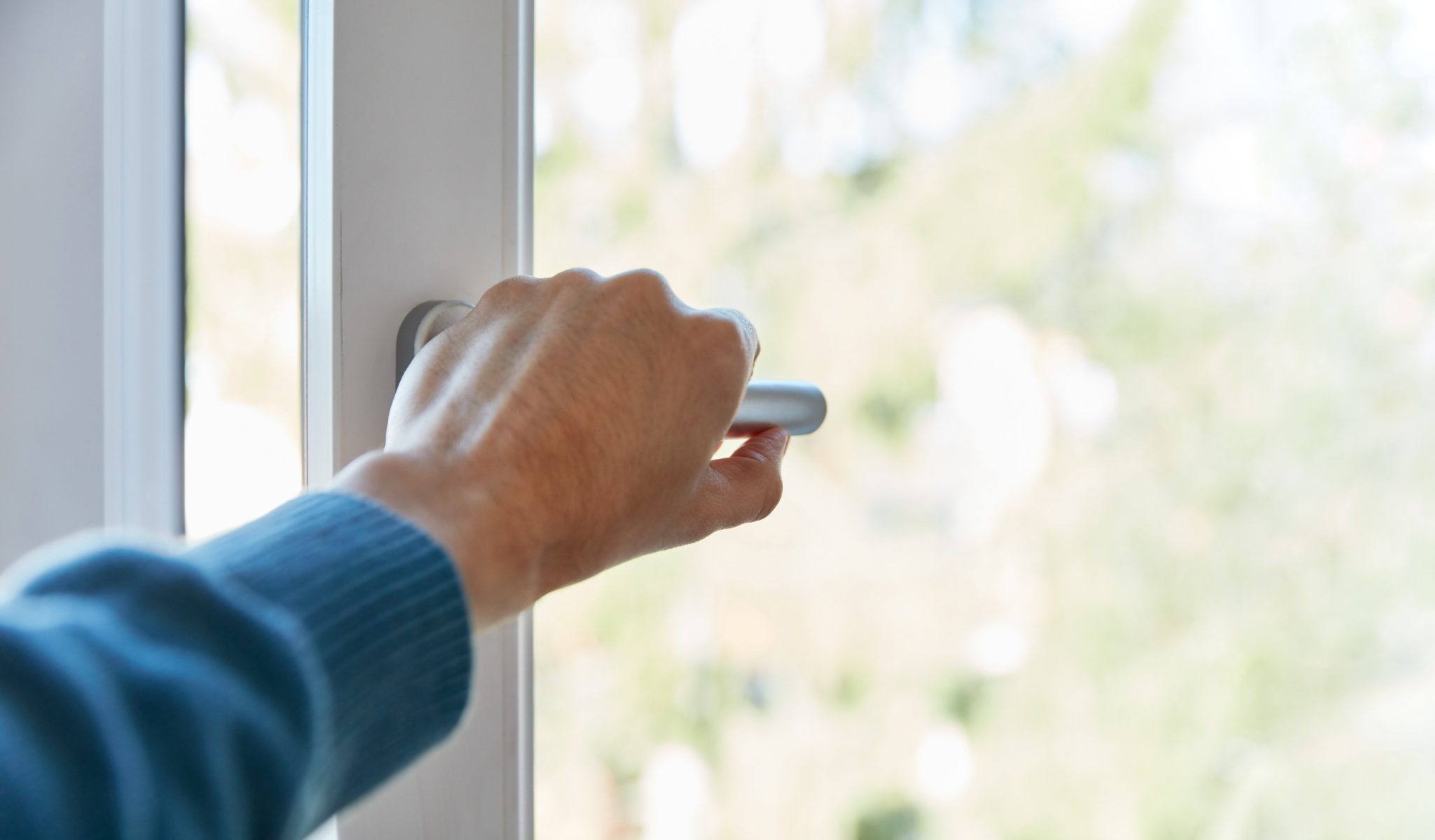
If you’ve seen people dramatically flinging open their windows on social media lately, declaring it’s time to “burp the house,” you’re not alone. The name may be playful, but the idea behind the trend (basically flushing stale indoor air with fresh outdoor air) has deep roots in science and public health, especially in places like Germany, where it’s long been a daily ritual.
There, it’s called Lüften, or more intensely, Stoßlüften, which translates to “shock ventilation”, and it’s practiced even during freezing winters. The objective is to push out stale, potentially polluted indoor air and invite in a fresher alternative. The question is: does it work?
According to experts, the answer is yes… mostly. And as with most wellness trends, it depends on how, when, and where you do it.
What’s actually in the air inside your home?
Your indoor air is likely more polluted than you think. From cooking and shower steam to smoke, cleaning sprays, off-gassing furniture, pet dander, and even your own exhaled breath, modern homes are airtight cocoons of all kinds of invisible particles. Add to that bacteria, viruses, and carbon dioxide levels that rise when air is recirculated, and you’ve got a pretty convincing case for the occasional air exchange.
“Over time, these particles build up, especially in well-insulated homes,” explains Vikram Niranjan, Assistant Professor in Public Health at the University of Limerick. Without regular ventilation, the air you breathe can quietly chip away at your physical and mental health.
In fact, Niranjan and colleagues have linked indoor air pollution to a variety of diseases, from respiratory irritation to chronic conditions like COPD and heart disease.
Burping for better health: how fresh air helps
During the COVID-19 pandemic, ventilation emerged as one of the simplest ways to reduce airborne virus transmission indoors. In one classroom study, opening all windows and doors lowered carbon dioxide levels by around 60 percent and slashed simulated “viral load” by over 97 percent over the course of a school day.
Pets can also act as the canary in the coal mine: veterinary studies show that poor air quality affects animals, especially cats and dogs, whose noses are closer to the floor where particles settle.
And the benefits aren’t just physical. Poor indoor air has been linked to lower cognitive function, irritability, and anxiety. Feeling groggy, grumpy, or sluggish? Your home might need a breath of fresh air even more than you do.
When burping your house backfires
Still, fresh air isn’t always fresh. If you live near busy roads, factories, or in cities with high pollution levels, opening your windows during rush hour might do more harm than good.
A study on schools near highways found that indoor levels of PM2.5 (fine particulate matter), nitrogen dioxide, and black carbon were significantly higher the closer they were to traffic. Those pollutants are known to affect everything from asthma and heart health to brain development in children.
So, yes, you can swap one kind of air pollution for another if you’re not mindful of timing and location.
How to burp your house the smart way
You don’t have to give up on the idea of house burping entirely. Just time it wisely and do it intentionally.
Avoid rush hour:
Pollution typically peaks in the morning and early evening. Midday or late night are usually cleaner.
Look to the skies:
Ventilate after it rains. Raindrops temporarily reduce airborne particles.
Choose the right side:
Open windows that face away from busy roads or toward green spaces. Vegetation helps filter pollution.
Keep it short and powerful:
German-style Stoßlüften (shock ventilation) recommends opening all windows wide for five to 10 minutes. This rapid exchange is more effective (and energy-efficient) than cracking one window for hours.
Create a cross-breeze:
Opening windows on opposite sides of your home moves air faster and more evenly.
Small effort, big health payoff
From a public health perspective, the math is clear. Treating indoor air-related conditions like COPD can cost thousands each year. Opening a few windows for a few minutes costs pennies in heat lost but huge gains in wellbeing.
Even just one daily burst of fresh air can dramatically improve the overall indoor environment for both people and pets. And if you’re concerned about outdoor pollution, consider window filters, indoor plants, or a HEPA air purifier to complement your ventilation routine.
House burping might sound silly, but it’s rooted in very real science. Letting your home exhale stale air and inhale something cleaner is good for your lungs, your brain, your mood, and even your cat.
It’s a little moment of care that pays off in comfort, clarity, and maybe even a few less headaches.
Did this solution stand out? Share it with a friend or support our mission by becoming an Emissary.