BY THE OPTIMIST DAILY EDITORIAL TEAM
If you’ve been trying to eat more protein lately, you’re not alone. Research on its role in preserving muscle and brain health as people age has gotten a lot of attention, and most people who set a daily target quickly realize that one chicken breast at dinner isn’t going to cut it. The shortfall tends to show up in the smaller meals. The moments when you’re hungry and convenience wins.
What dietitians tend to suggest is not to overhaul anything but to layer onto what you’re already eating. Ten extra grams at breakfast, ten at lunch, ten at a snack. It adds up faster than you’d expect.
Ten foods that make it easy:
The ones you can add without cooking
Jarred or canned salmon, about one and a half ounces, is 10 grams of protein and has no prep at all. Flake it over a salad or eat it with crackers. Shelled edamame, half a cup, hits the same number. Buy it frozen, defrost a batch, and keep it in the fridge for the week.
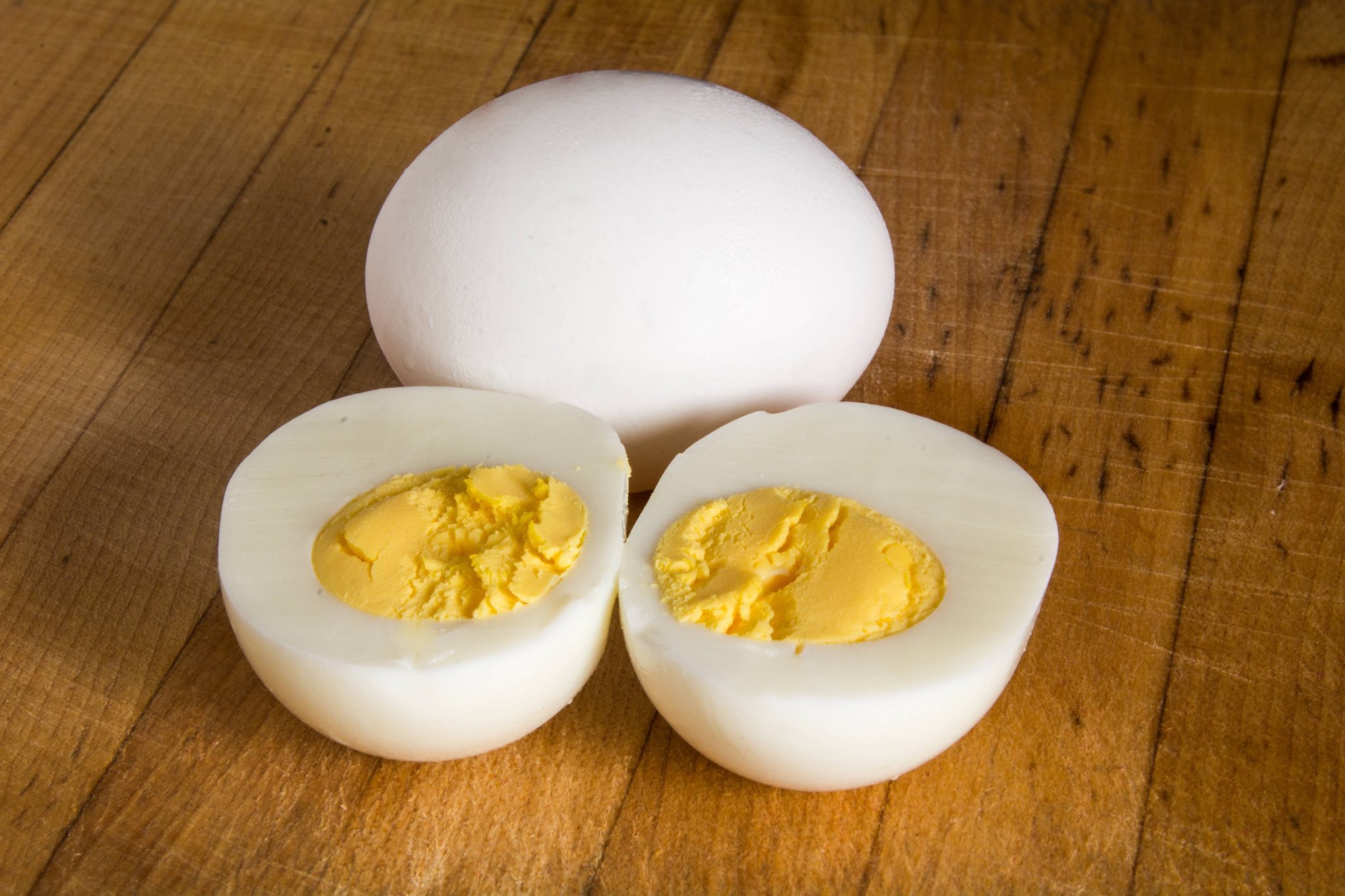
A quarter cup of pepitas (pumpkin seeds) also gets you to 10 grams. Toast them for better flavor. They go well on salads, on peanut butter toast, or just mixed with chocolate chips and raisins in a small bowl. Two hard-boiled eggs deliver 12 grams and keep well all week. Half a cup of almonds is 10. So is one and a half ounces of cheddar, which is roughly three dice-sized cubes, if that helps.
The versatile bases
Cottage cheese and Greek yogurt are worth treating as proper foundations rather than just toppings. Half a cup of cottage cheese has 14 grams. Blend it into a smoothie instead of yogurt, whip it with olive oil, salt, and pepper for a dip, or use it as the base of a bowl. It disappears into things in a way regular dairy doesn’t. Greek yogurt, half a cup for 10-plus grams, spreads under roasted vegetables, works as a taco topping, and goes with most things that lean Mediterranean.
Firm tofu at four ounces fits here, too. It doesn’t need cooking: soy sauce, sesame seeds, and you’ve got something. When you do cook it, it holds up in stir-fries and takes on whatever flavor you’re using.
The one that works as a drink
A cup of bone broth is roughly 10 grams of protein in something that functions more like a hot drink than a food. Warmed until steaming, it’s surprisingly filling between meals. It also swaps in for stock in soups and sauces without changing the recipe.
The common thread: none of this requires treating protein as the main event. These are things you add to a salad, blend into a smoothie, or keep in the fridge for when you need something quick. That’s usually all it takes.
Did this solution stand out? Share it with a friend or support our mission by becoming an Emissary.