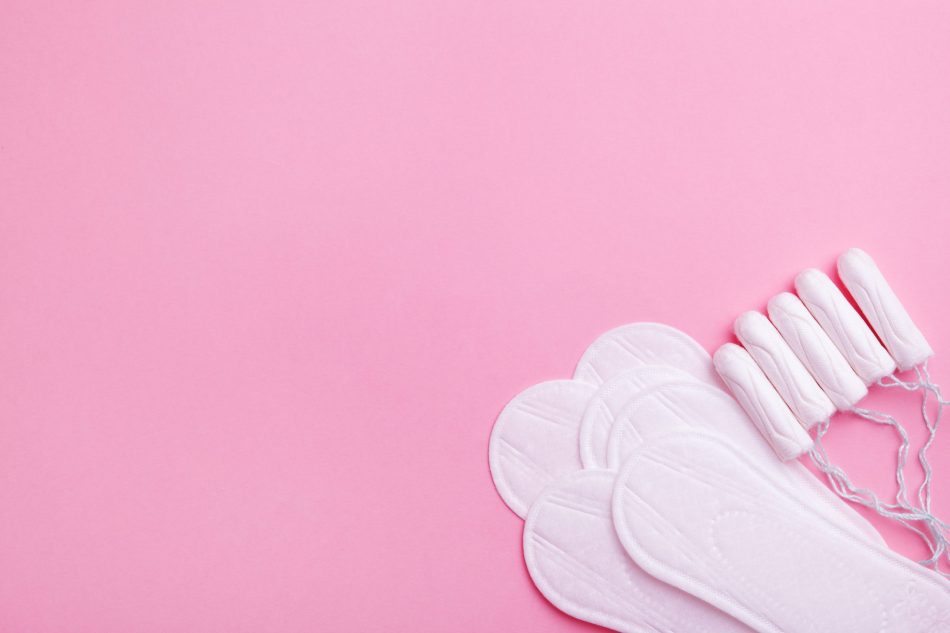
Back in 2012, Lynette Medley founded a nonprofit sexuality awareness and a consultative organization called No More Secrets: Mind, Body, Spirit. Her goal was to cover topics such as consent, bodily autonomy, and navigating healthy relationships. Through this work, she realized that many of the young women who came to her organization were struggling to afford menstrual products.
Some of them had to resort to stealing, engaging in sexual favors, or practicing unsafe medical methods to manage their cycles. By having honest conversations with these women, she found out more about their life experiences and their needs.
“Menstrual products are not covered by Medicaid or Medicare,” Medley says, “And there were no resources in Philadelphia or the immediate tri-state area to be able to deal with this crisis and give free products to our communities.” As a result, she decided to distribute free period products through No More Secrets.
Together with her daughter, Nya McGlone, Medley established a menstrual product bank out of her office in 2015. They paid for the products themselves and delivered them door-to-door to their clients. Once Nya started to share their work through social media, the demand for the products increased and the community began rallying behind the cause, offering donations and support.
They were also able to partner with other organizations in the city, like the Health Federation of Philadelphia. The ever-extending reach of No More Secrets’ work also brought more attention to the issue of period poverty.
To accommodate those who weren’t able to visit Medley’s office to pick up menstrual products, the mother-daughter duo started a delivery service that was averaging around 85 deliveries a week before Covid. Once the pandemic hit, No More Secrets’ deliveries increased to around 275 per week. Medley and McGlone worked to meet needs beyond menstrual products. They found themselves lending their phone and internet access from their cars as well as transporting people who relied on public restrooms to other available facilities.
To meet the increase in demand, the pair decided to open The SPOT hub in Germantown, Philadelphia, this past February. “We said to ourselves, we need to open up a hub, we need to open up a safe space to address menstrual care, uterine care, and menstrual hygiene during a pandemic when no one believes in the issue,” says Medley.
The SPOT, which stands for Safety Programming for Optimal Transformation is exactly that—it continues to distribute free menstrual products, but has expanded its service to include counseling, education, a computer room, access to clean water, and bathrooms. There is even television as well as two futons for clients to enjoy and nap on while they wait for other services like classes.
According to Medley, “People come all day on the days we’re open, and they’re learning about all the fluidity of menstrual care.” Medley believes that The SPOT is an essential resource, especially for marginalized communities who have less access to adequate healthcare. “Half of the population I serve have never gone to a gynecologist, they’re under-insured, or uninsured.”
Medley and McGlone hope that The SPOT serves as an example for other locations and communities who want to help underprivileged women learn how to take care of their bodies safely and healthily.