


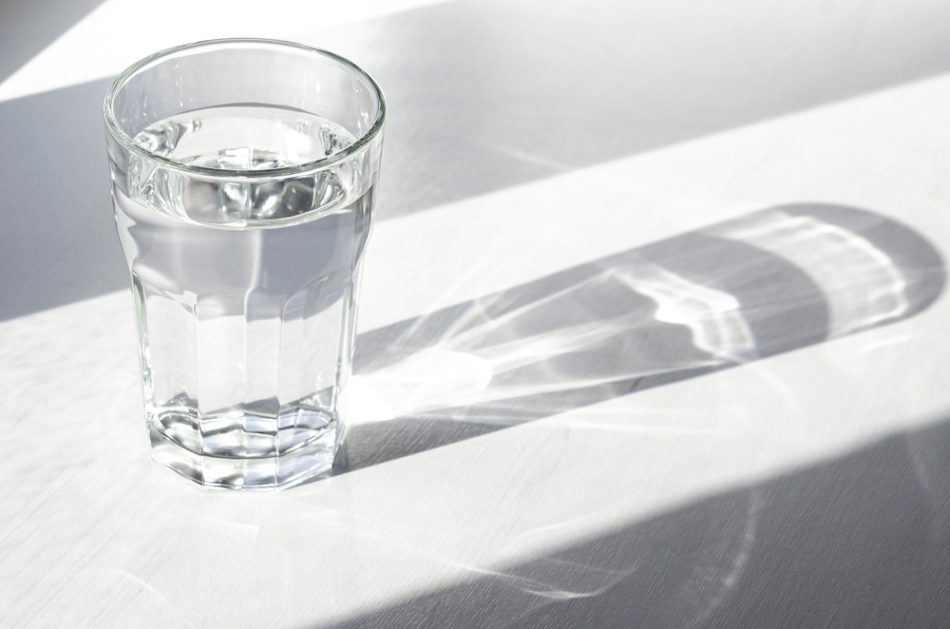
One of the first health tips you might commonly hear is to drink more water. Social media influencers echo each other saying “stay hydrated,” it’s their “secret” to good skin, a slim waistline, and healthy organs.
But in terms of health logistics, what’s going on when we hydrate? Well, we’re replacing the body fluids that we lose through sweating, exhaling, and eliminating waste. From a medical standpoint, the most important measure of hydration is the balance between electrolytes and water in your body.
Being dehydrated can cause serious medical problems, however, the online interpretation has been blown completely out of proportion. People have been led to believe the simple act of drinking more water will make them healthier when this simply isn’t true. After all, most of us aren’t chronically dehydrated and do not need to be chugging water all day long.
Do I need to drink water to stay hydrated?
The truth is, we get some kind of water intake in any beverage we consume. Of course, water is a better choice than sodas from a nutritional standpoint, but these beverages can still add water to our systems and be just as hydrating. A 2016 study actually revealed that the hydrating effects of water, beer, coffee, and tea were nearly identical.
Foods such as fruits, vegetables, sauces, and soups are all fluid-rich, so eating these can also contribute to your water intake. What’s more, the metabolizing process also produces water as a byproduct, additionally helping us hydrate.
So how much water should I be drinking?
We’ve all heard somewhere that eight is the magic number when it comes to how much water we need to drink. Many people claim that eight eight-ounce glasses of water each day is the magic number for everyone, however, this is not necessarily true. Factors such as body size, outdoor temperature, how heavily you breathe, and how much you sweat can hugely differ from person to person.
Medical conditions can also influence the amount of water you need. For example, someone with heart failure or kidney stones may require a different amount than someone taking diuretic drugs. Illnesses involving diarrhea and vomiting also decrease the amount of water being held in your body and may require an increase in normal day-to-day amounts.
How do I know when to hydrate?
The answer is actually pretty simple. For most young, healthy people, the best way to stay hydrated is to listen to your body and drink when you’re thirsty. With age, the sensation of thirst can fade, therefore, older people – around their 70s and 80s – need to take more care to make sure they stay hydrated.
Another myth not to follow is singularly relying on urine color to indicate hydration status. Dark urine is a possible indicator of dehydration, however, a whole range of other factors can influence its color also, like ingested pigments from food or medication. No solid science has yet been released confirming that urine color indicates how much water you should be drinking.






