BY THE OPTIMIST DAILY EDITORIAL TEAM
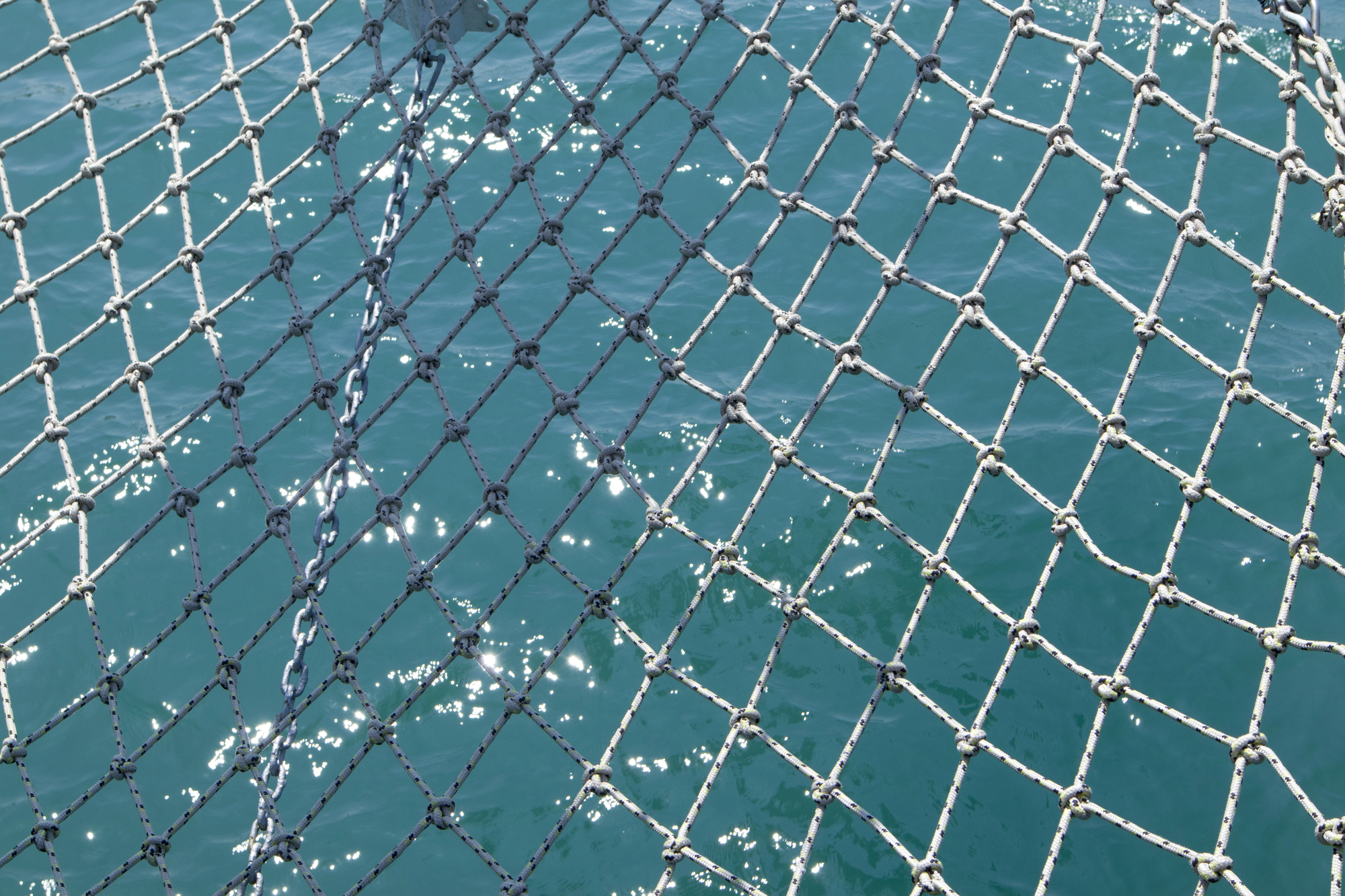
Gillnets catch dolphins by accident. The nylon mesh hangs nearly invisible in the water, and dolphins’ echolocation, the system they rely on to navigate and hunt, can fail to detect it. The filaments may produce no detectable echo, or the dolphins may detect something but not recognize it as a threat. Either way, they swim in and don’t get out.
Around 1,000 porpoises and hundreds of dolphins, including 250 common dolphins, die in gill nets in UK waters alone every year, according to Whale and Dolphin Conservation. Globally, fishing bycatch is one of the primary causes of cetacean death.
The echolocation gap
Echolocation works by bouncing sound waves off objects and reading the echoes to build a picture of what’s nearby. It works well for prey, obstacles, and other animals. It does not work reliably on thin nylon mesh. The material is too sparse and too close in acoustic density to water to return a reliable signal.
Per Berggren, a professor at Newcastle University, looked at that specific gap and asked a simple question: what if you gave the net something that does produce an echo? His answer: attach empty bottles.
How bottles work as sonar reflectors
Plastic and glass bottles address the problem through different mechanisms. Empty plastic bottles contain a pocket of air, and air reflects sound very differently from water. A dolphin’s echolocation click bounced off an air-filled bottle produces a much stronger echo than the same click bounced off nylon mesh. The dolphin gets a return signal it can act on.
Glass bottles take a different approach. Berggren’s team placed metal bolts inside them so the bottles would generate a clinking sound as they moved with the water. That passive noise gives dolphins an additional non-echolocation cue.
What the trials found
Two studies tested the approach across more than 1,600 fishing nets deployed in Zanzibar, Peru, and Brazil, published in Fisheries Research and Marine Mammal Science.
Results varied by location. In Peru, where nets are set near the surface, the bottles did not reduce the number of dolphins, porpoises, or turtles caught. They did increase the catch of target fish, and also increased the number of sharks caught.
Despite the Peru results, Berggren’s overall assessment is positive. “Attaching plastic bottles to fishing nets can reduce dolphin bycatch globally and is something that every fisher can afford,” he says.
Cost and supply chain
Part of what makes the approach viable at scale is how cheap and simple it is. The bottles attach to existing nets, require no infrastructure, and can come from waste plastic rather than purchased materials.
“It’s also rewarding to know that we are using some of the plastic waste that spoils our oceans,” Berggren says. “The bottles are securely attached to the nets and we did not lose any plastic bottle during the trials.”
That matters. The obvious worry about attaching plastic to fishing nets is that the plastic ends up in the ocean. In these trials, none of it did.
“This is genuinely recycling that rescues dolphins,” Berggren says. The approach costs almost nothing, uses materials fishers can pull from waste streams, and requires no new equipment. For a problem that has resisted solutions for years, that combination is worth paying attention to.
Did this solution stand out? Share it with a friend or support our mission by becoming an Emissary.