BY THE OPTIMIST DAILY EDITORIAL TEAM
You’re doing everything right at bedtime: you stay away from screens after nine, take a soothing dark shower, sip on that herbal tea cooling on the nightstand, and maintain a reasonably consistent sleep schedule. Yet some nights the ceiling still has your full attention past midnight, and you can’t quite figure out why. If you’ve been treating sleep as mostly a habits problem, a recent nutritional review suggests there’s a variable you might be overlooking: what you eat in the evening.
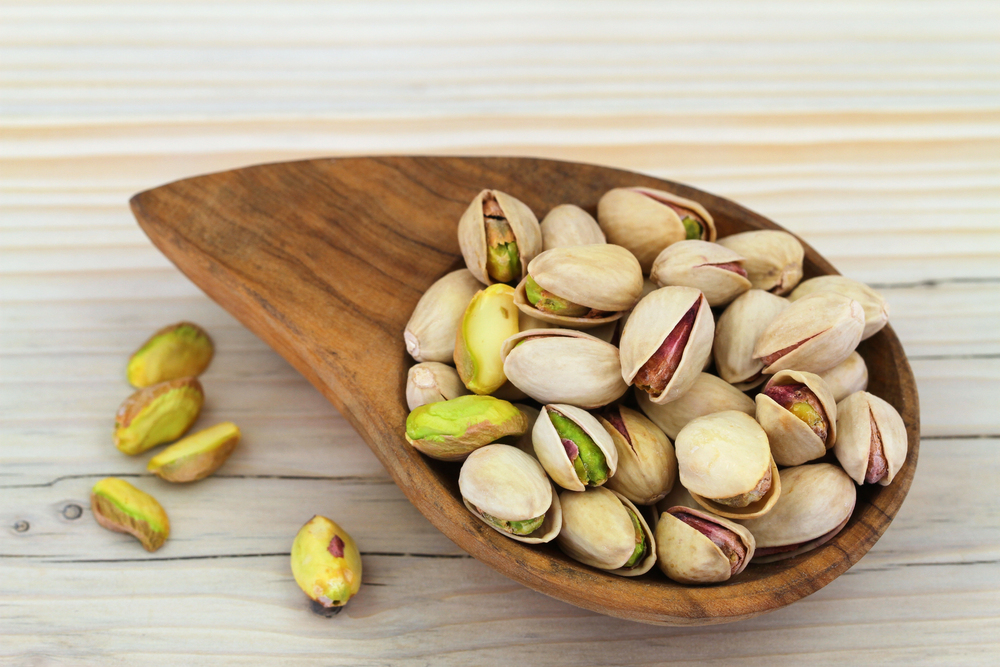
The review, published in the journal Nutrients, made the case for pistachios as a bedtime snack, and the reasoning holds up better than most food-and-sleep claims do. There’s no single magic compound, but what’s unusual is that one ounce of pistachios stacks five separate sleep-relevant nutrients at once, each arriving via a different route. That’s a rare combination to find in a single snack.
Why diet is an underused sleep lever
Most sleep advice focuses on behavior such as consistent wake times, a cool and dark room, no caffeine past the early afternoon. Diet gets surprisingly little attention, even though a lot of research connects eating patterns to how well people sleep.
People who follow the Mediterranean or DASH diets tend to sleep better, and both lean on nuts and legumes. That link pushed researchers to look more closely at which nutrients might be responsible. With pistachios, there turned out to be several working at the same time.
Vitamin B6, tryptophan, and the sleep hormone chain
One ounce of pistachios provides close to 40 percent of your daily vitamin B6, more than any other tree nut. This is noteworthy because B6 is what your body uses to turn tryptophan into serotonin, and serotonin is the raw material for melatonin. B6 also helps produce GABA, the neurotransmitter that tells your nervous system to settle down at night.
The same one-ounce serving contains about 71 milligrams of tryptophan. In a survey of more than 11,000 Spanish university students, higher tryptophan intake was tied to longer sleep and a lower likelihood of insomnia. In a separate trial, adults between 55 and 75 who ate tryptophan-enriched cereal for a week fell asleep faster, slept longer, and produced more melatonin than those eating standard cereal.
Plant-made melatonin, found in the nut itself
Plants make their own melatonin, called phytomelatonin, and it has nothing to do with the melatonin your body makes from tryptophan. One analysis of American pistachios found roughly 18.7 micrograms per serving, which puts them in the same range as tart cherry and tomato, two foods with a reasonable body of sleep research behind them. Other analyses have found lower amounts, so the exact number varies, but phytomelatonin shows up in pistachios consistently.
Magnesium, fiber, and the gut
Magnesium supports melatonin production and plays a role in deep sleep through GABA activity. Pistachios have about 31 milligrams per ounce, around 10 percent of the recommended daily amount. Almonds have more (76 milligrams in the same serving), but every bit adds up. The CARDIA study, which tracked a large group of young adults over many years, found that those with the highest magnesium intake slept better and were less likely to get fewer than seven hours a night.
A one-ounce serving of pistachios also covers about 11 percent of your daily fiber. Gut bacteria ferment fiber into short-chain fatty acids like butyrate, which have been linked to sleep quality. In a lab comparison of common nuts, pistachios produced the most of these compounds. They also rank second among tree nuts in polyphenols, and a recent meta-analysis found polyphenol supplements helped people with sleep disorders fall asleep faster and sleep longer, though most of those trials used extracts rather than whole foods.
The clinical trials that haven’t happened yet
No study has directly tested whether eating pistachios helps people sleep better. The review draws a reasonable line through a lot of supporting research, but connecting individual nutrient mechanisms to actual sleep outcomes still requires human trials that don’t exist yet. It’s also important to note that the review was partially funded by American Pistachio Growers.
If you already snack in the evening, a small handful of pistachios, around 28 grams, is an easy substitution to run for a week. The usual sleep hygiene advice still stands, and matters more than any snack. But if you’ve already worked through that list and you’re still not sleeping well, what you eat before bed is a reasonable next thing to look at.
Did this solution stand out? Share it with a friend or support our mission by becoming an Emissary.