BY THE OPTIMIST DAILY EDITORIAL TEAM
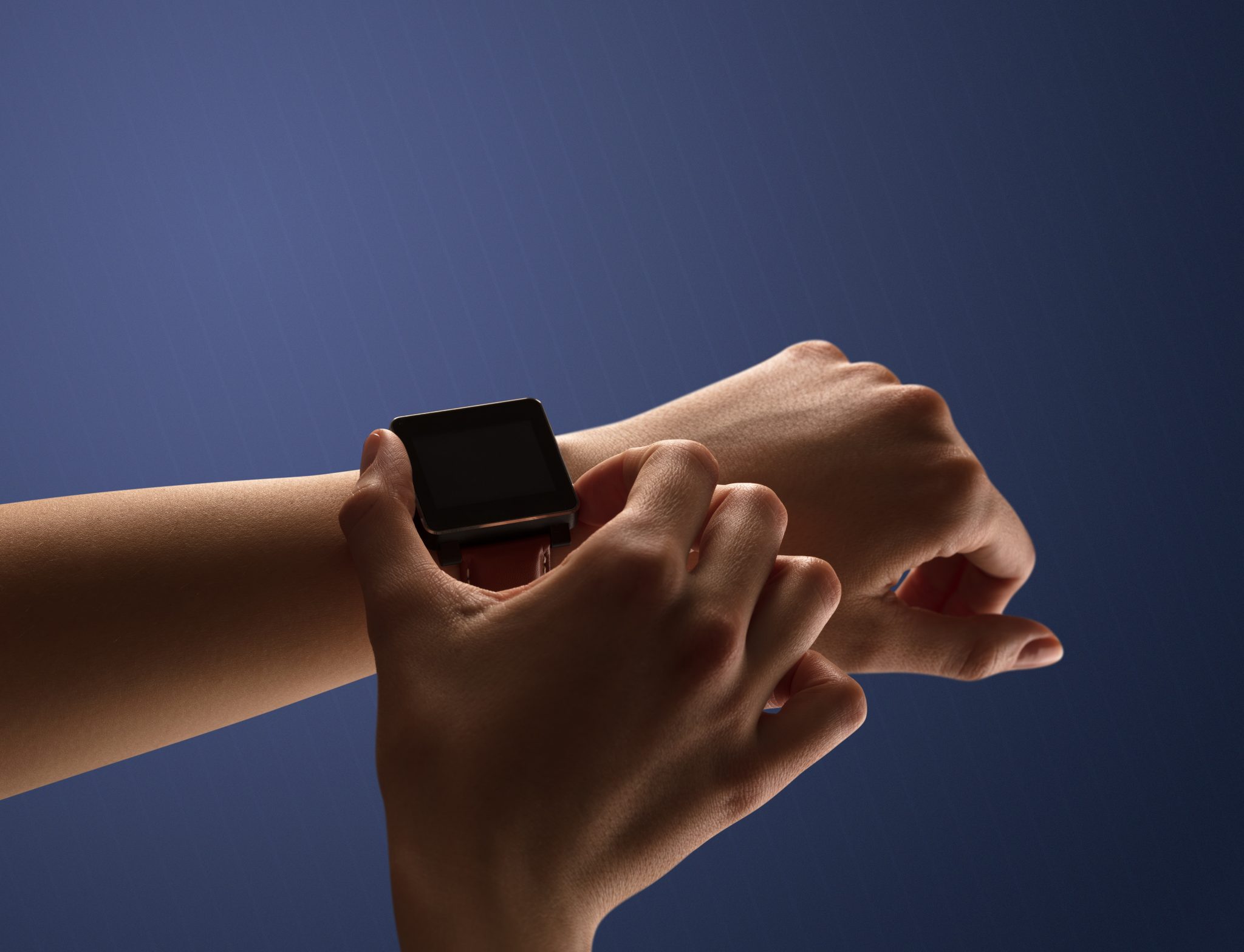
In a 2023 clinical trial of 121 people in the UK, wearing a prototype wrist device reduced tic frequency by an average of 25 percent. The Tourette’s wrist device, called Neupulse, came out of research at the University of Nottingham, and three years on, the people using it describe its effect in far stronger terms than a one-in-four reduction would suggest.
How a Tourette’s wrist device targets tics
Rhythmic pulses to the median nerve
Neupulse sends rhythmic electrical pulses into the median nerve, which runs through the wrist and into the hand. Trials have shown that this stimulation changes activity in the brain regions responsible for movement control, and that the rhythm of the pulses can lower both the frequency and the intensity of tics. The device was developed by the university and its spin-out company, Neurotherapeutics Ltd, which secured £1 million (about $1.3 million) in additional funding to bring it to market.
Stephen Jackson, the Nottingham professor who has led the research, described the response from users as “a dream come true.” Some of the feedback he has received is very concrete. “We’ve had people saying they managed to get through their wedding vows without ticking,” he said. Others told the team they could move through an airport and board a flight without tics.
Tourette’s syndrome in the UK
Tourette’s syndrome is a neurodevelopmental condition, usually beginning in childhood, that causes involuntary sounds and movements known as tics. More than 300,000 people in the UK have it, according to the charity Tourettes Action, and there is no cure. The condition reached a wider audience in 2023 when singer Lewis Capaldi, who has Tourette’s, tried the device before a concert in Nottingham, and again through the film I Swear, a drama based on the life of Tourette’s campaigner John Davidson.
Three users, three measurable changes
Katie, 15: years of constant vocal tics
Katie, from Hertfordshire, started having tics at age seven. Her snorting tic ran almost nonstop, to the point of leaving her with a sore throat that kept her in bed for two weeks, and it disrupted her sleep, her eating, and her school attendance. “It was constantly moving, constantly making sounds and then I was kind of getting looked at like, ‘why are you doing that?'” she said. Her mom, Julia, called it “heartbreaking” to watch. “You feel helpless. You feel you don’t know where to turn really,” she said.
After reading about the Nottingham research, Julia brought Katie to try the device in December, before it went on sale. The effect was immediate, Katie said, and she became “really calm.” “It was absolutely life-changing. It was like the best day of my life,” she said. On the drive back to Hertfordshire, she “just cried the whole way home.”
Ollie, 15: a different diagnosis, a similar response
Ollie’s case extends the picture, because he does not have Tourette’s. Nearly two years ago he cracked his neck, and about 48 hours later the movement had become involuntary and constant. “It was incredibly sudden,” he said. He was later diagnosed with functional neurological disorder (FND), a condition that affects how the brain sends and receives signals. His father, Alex, said sleeping, eating and drinking all became “incredibly difficult.” Ollie stayed inside for about a month at one stage and missed six to seven months of school ahead of his GCSEs, the exams British students sit around age 16.
He came close to telling his parents not to bother with the device. A few months ago, when he switched it on for the first time, he phoned home. “You could hear that he was crying on the telephone because it had worked and his neck movement had stopped,” Alex said. Ollie put it this way: “It’s like a light switch. I remember my hands were quite shaky when I was calling my parents because it’s like getting part of your life back.”
Mylo, 17: from trial participant to owner
Mylo, from Buckinghamshire, was 13 when he joined the 2023 trial. He recently received his own device as a gift and said the urge to suppress his facial tics went away “instantaneously.” “As soon as it comes on, I can feel it,” he said. “I feel different… I feel new almost, which is strange.”
Why Neupulse is not yet an NHS treatment
Wellness product versus medical device
The device comes in two versions. Neupulse-C is sold as a consumer wellness product, and the university says “thousands” have been purchased. Neupulse-M is the version intended for marketing as a medical treatment for tics and Tourette’s syndrome, and it is still working through regulatory approval. That distinction determines whether the National Health Service can offer it.
The National Institute for Health and Care Excellence (NICE) has identified the technology as “promising” but asked for more evidence of long-term benefit. In 2025, it said its committee would meet again to assess the device’s clinical and cost-effectiveness. “They were unable to recommend it for use in the NHS until we have the regulatory approval,” Jackson said. “That’s something we’re working towards.” He hopes to see the Tourette’s wrist device available through the NHS “in the next year or so.”
Early reports from the Tourette’s community
Emma McNally, CEO of Tourettes Action, said the users she has spoken with have given the device “nothing but praise.” “Some people have said it’s helped them to go to places that they’ve not been for a long time, such as the cinema or a library,” she said. Others told her it helped them come out of a tic attack and feel more relaxed.
Wrist stimulation beyond Tourette’s syndrome
The Nottingham team is now testing the same approach on other conditions. Early trials have examined whether the pulses can reduce tremors in people with Parkinson’s, and Jackson said the university plans a UK-wide clinical trial covering anxiety and obsessive-compulsive disorder (OCD). The next milestone is regulatory, since medical approval for Neupulse-M would open the door to NICE guidance and NHS prescriptions, and the trials that follow will show whether a signal sent through the wrist can shape movement and mood in conditions well beyond tics.
Did this solution stand out? Share it with a friend or support our mission by becoming an Emissary.