Whether you’re on a day trip to a nearby hiking trail, or in a remote forest with your camping gear and some adventurous buddies, the sunny summer months are perfect for trekking into the wilderness. However, our excursions can take a toll on the natural landscape, leaving it in less than pristine conditions. Luckily, our impact can be minimized as long as we are mindful and intentional about caring for the environment we are exploring.
The US Geological Survey (USGS) has released a list of top-rated tips for minimizing your impact on the environment. Although some of these tips may seem like common sense to those who are already avid outdoor adventurers, they are worth reiterating as more and more people are becoming interested in visiting natural parks and protected areas.
Do not feed the wildlife
If wild animals become accustomed to receiving tasty morsels from visitors, then they’ll start associating food with people. This means that animals will start putting themselves at risk to get some food, and it’ll increase the chances of humans contracting diseases from animals or being injured in interactions—an all-around lose-lose situation.
Keep a safe distance from wildlife
You don’t have to get super close to appreciate wildlife. Thanks to human innovation, we have access to technology like binoculars, so we should use them rather than potentially disturbing or scaring animals in their own habitats.
Select established campsites
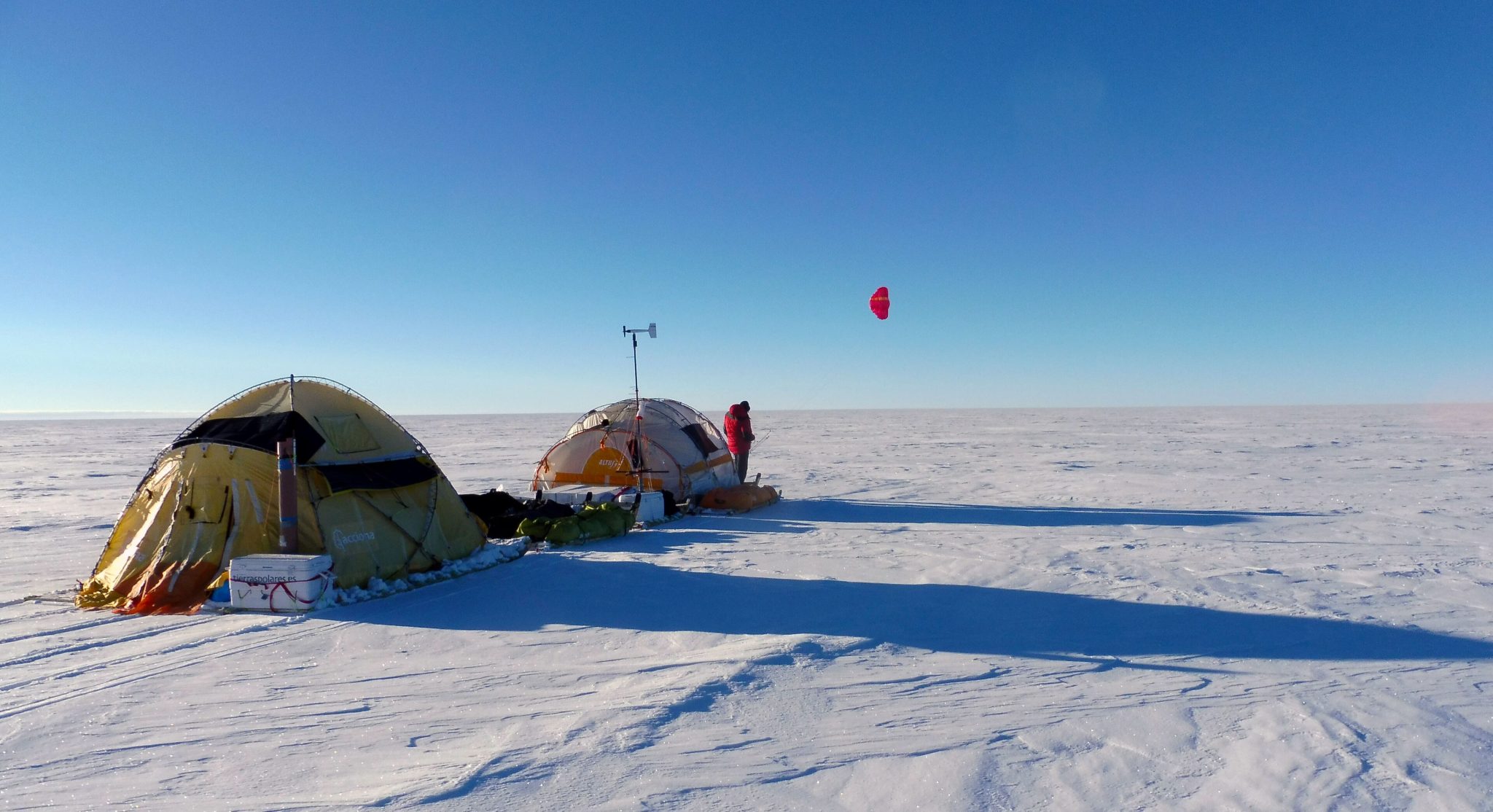
Campsites that are established and have a durable surface like gravel, rock, snow, or grass are recommended. Sloped terrain is an especially good choice as it discourages campers from spreading out and causing more water and pollutant runoff into the soil and waterways.
Avoid cutting down trees for campfire wood
USGS research found that almost half of the sites in the Boundary Waters Canoe Area Wilderness of northern Minnesota lose 18 trees per campsite to firewood. This adds up to the removal of hundreds of trees. Instead of cutting down trees, leave your tree-felling tools at home and gather small diameter dead and fallen firewood instead.
Be wildfire conscious
Due to extreme drought, most places in the Western US currently prohibit campfires, even in designated rings. Check the fire restrictions in your area before heading out on an adventure, and remember to always obtain the appropriate fire permit.
If you are allowed to build a campfire, do so in a well-established fire ring, away from brush and grasses, and not underneath trees. Keep flames small and contained, and when done, drown your fire with water, and stir with a stick to smother. You should be able to place your palm above the ashes without feeling warmth before abandoning a campfire site.
Leave no trace
As the old saying goes, take only pictures, leave only footsteps. Unless there is a designated trash bin where you are, you should pack out all trash, including toilet paper. Refrain from taking souvenirs like rocks and shells as even the smallest items serve a purpose in the natural environment.
Stay on hiking trails
It may seem exciting to go off the beaten path, but even walking parallel to an established trail damages vegetation. If you really want to minimize your impact, then opt for trails with side slopes as they allow for water drainage while flatter trails are more prone to muddiness and soil loss.