


BY THE OPTIMIST DAILY EDITORIAL TEAM
In the cool, dry winters of Bangladesh, the country’s 8,000-plus brick kilns roar to life. Coal-fed and open-air, they bake nearly 30 million bricks annually, filling the skies with thick black smoke in the process. But a new study has found that a few thoughtful tweaks in how bricks are stacked could make a major difference in cleaning the air.
A small shift with a big impact
“It’s a lot of black smoke,” said Sameer Maithel, an engineer with Greentech Knowledge Solutions in Delhi, India. “It impacts the workers, the villagers, and the air quality of the entire region.”
In a country where bricks are essential for building homes, schools, and infrastructure, their production comes at a steep cost. Kilns contribute an estimated 10 to 40 percent of the fine particulate matter in Bangladesh’s air; particles small enough to enter the lungs and bloodstream, worsening respiratory diseases and even affecting cognition.
What if a cleaner solution were as simple as changing how bricks are stacked? Maithel and a global team of researchers put this idea to the test.
Bricks and breathing
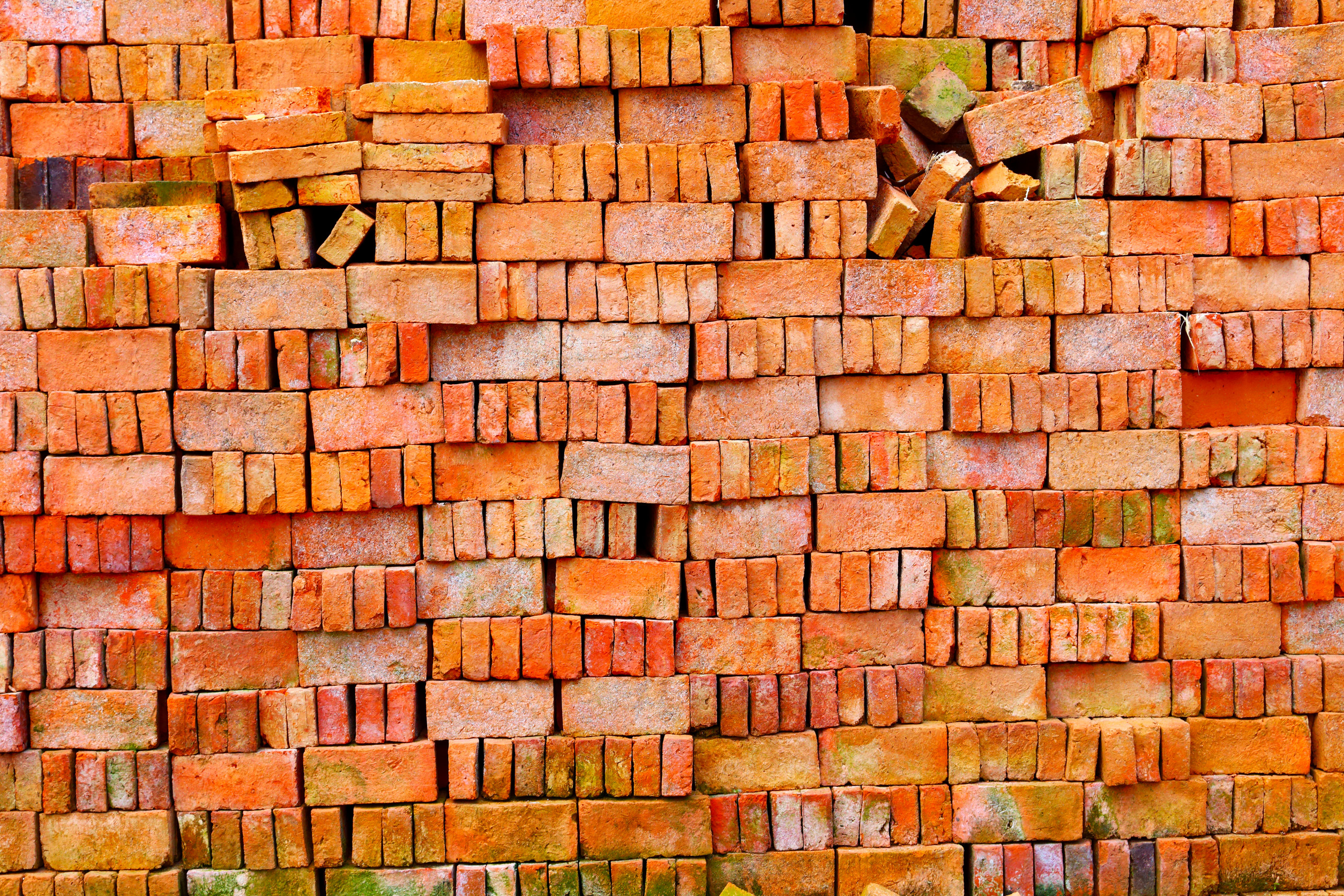
In traditional kilns, clay bricks are molded, sun-dried, stacked tightly in large chambers, and baked with shovelfuls of coal. But this common setup leads to uneven heating and inefficient fuel use. Hot coals can get trapped, some bricks overcook while others are underdone, and oxygen struggles to reach where it’s needed most.
Maithel noticed these inefficiencies after decades of working with brick kiln operators. Simple changes like stacking bricks in a zig-zag pattern to improve airflow and timing coal inputs more consistently could yield big gains.
“The better you are able to provide fuel and air mixing, the probability of black smoke will be less,” he said.
Putting the theory to the test
The research team, including partners from Bangladesh, India, and the United States, ran a massive experiment involving 276 kilns. Some kiln operators were trained in the new methods, some received additional education on the economic benefits, and others received no training at all.
The results? On average, fuel use dropped by 23 percent in kilns that made the changes. Carbon dioxide and particulate emissions fell by about 20 percent. Brick quality improved, and so did profits.
“We showed that simple, low-cost interventions can really reduce pollution,” said Mahbubur Rahman, an environmental health researcher at the International Centre for Diarrhoeal Disease Research, Bangladesh.
A win for workers and owners
Beyond the environmental impact, there were human benefits too. Workers, many of whom report high rates of respiratory issues, were exposed to less smoke. Kiln owners, meanwhile, saw savings close to $40,000 per season from reduced coal use.
“It’s a hopeful story,” said Nina Brooks, a global health researcher at Boston University. “Of a place where solutions are quite feasible.”
Perhaps the most telling sign of success: a year after the experiment, most kiln owners were still using the new methods.
Looking ahead
With brick kilns accounting for a major slice of Bangladesh’s air pollution, scaling these changes could bring sweeping improvements to public health. While high-tech, low-emission kilns remain out of financial reach for many producers, this study shows that small, practical steps can have real-world effects.
The team is now working with the Bangladeshi government to expand training programs and reach more kiln operators across the country.
As Brooks put it, “Sometimes the most powerful solutions are the ones that meet people where they are.”






