BY THE OPTIMIST DAILY EDITORIAL TEAM
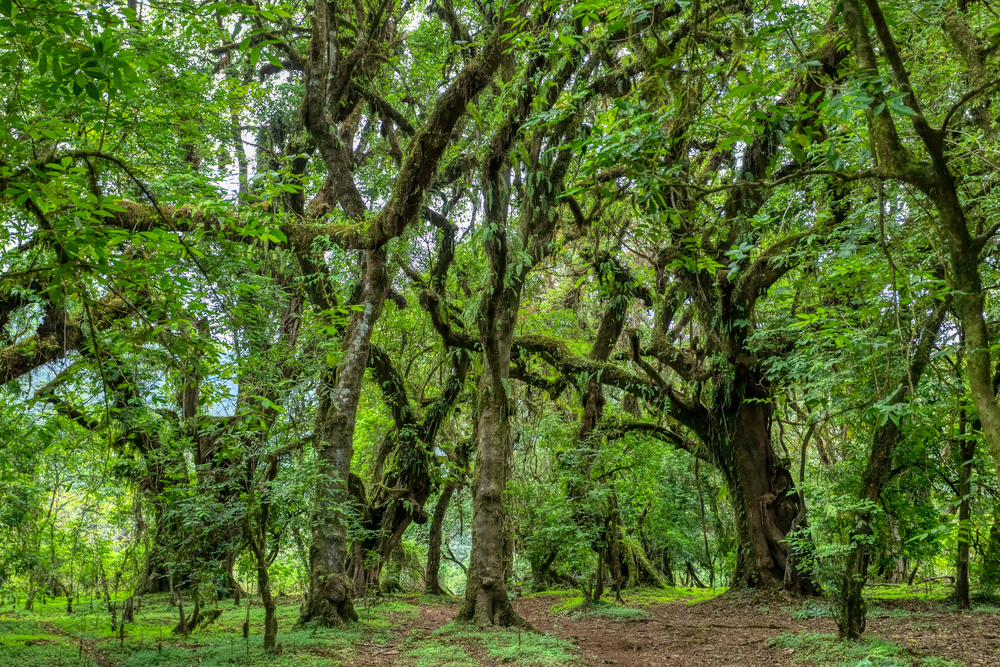
You probably already know the feeling, even if you’ve never had a name for it. The way your shoulders drop and relax the moment you step under a canopy of trees. How the breath comes a little easier. The mental noise that slowly melts away, not because of any conscious effort, but just because the trees were there and you were walking among them.
That feeling has a name: shinrin-yoku, a Japanese term meaning “forest bathing” or “taking in the forest atmosphere.” Japan formalized the practice in the 1980s, partly as an antidote to tech-boom burnout and partly to help people reconnect with the country’s forests. Researchers began studying its effects through the 1990s, and the science has been catching up to what most of us already sensed. While Japan gave it a name, the idea that time in nature is good for you is not new. Many cultures have held this for a very long time.
What’s happening in your body
Evergreen trees release compounds called phytoncides, airborne essential oils your lungs absorb as you breathe forest air. Studies have linked phytoncide exposure to a measurable boost in immune function, and the effects can persist for weeks after a single visit. Evergreen needles are also rich in antioxidants and vitamin C, and some varieties (spruce, eastern hemlock, balsam, pine) can be steeped into a tea that is certainly worth trying.
Time in natural environments has also been shown to lower cortisol, slow the heart rate, and ease the mental activity associated with anxiety. You’re not just relaxing. Your body is responding to something specific about that particular kind of place.
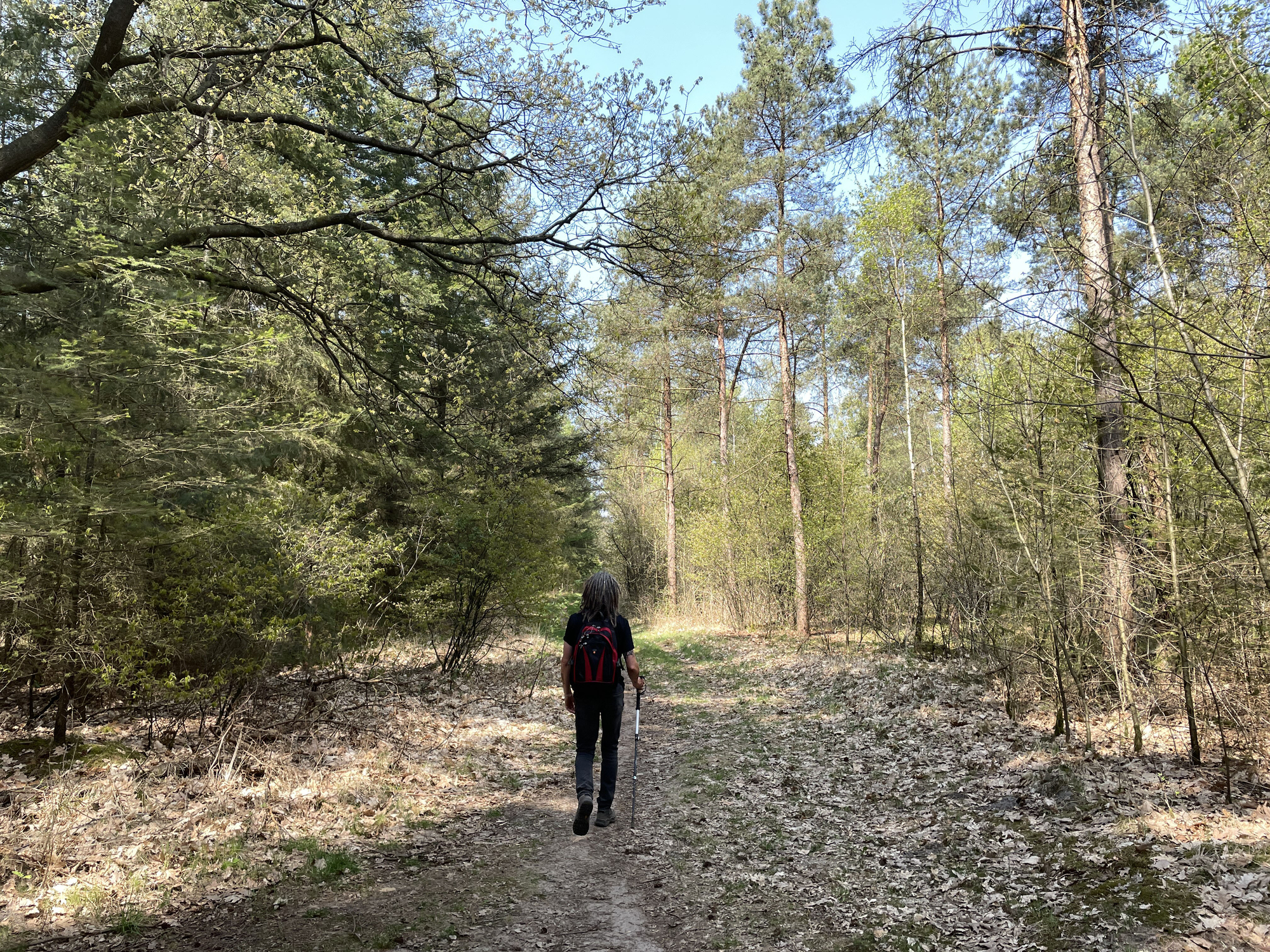
And it doesn’t require wilderness. Forest bathing can be as simple as walking through any green space while paying attention to what’s around you. Guided sessions, usually two to three hours with a trained ecotherapy guide, offer a more structured version, but the basics don’t require a guide or a plan.
Five places to try it
Adirondack Mountains, New York
The Adirondack Park spans more than six million acres of New York State, with over a hundred peaks and some 2,000 miles of hiking trails. It is the largest protected area in the contiguous United States, and its native evergreens make it an ideal environment for phytoncide-rich air. Fall foliage and winter snowshoeing are peak seasons. Certified forest therapy guides offer year-round walks in Lake Placid, Saranac Lake, and the Wild Center, a natural science museum of the Adirondacks.
Costa Rica
Roughly 60 percent of Costa Rica is covered by forest, and nearly six percent of the world’s entire biodiversity lives within its borders. Options include a misty cloud forest in Monteverde, canopy bridges suspended above the treetops near Arenal Volcano, a lowland rainforest trail along the Sarapiqui River, or a protected forest reserve just outside San José. Certified guides offer walks throughout the region, led by local naturalists who know the ecology well.
Waipoua Forest, New Zealand
On the North Island, the Waipoua Forest is home to the oldest and largest kauri trees in the world, trees considered sacred protectors of the forest by Māori people. Guided walks are available, including twilight encounters led by Māori guides whose storytelling and song make the experience something between a nature walk and something harder to name.
Matthews Range, Kenya
Not the first place most people picture for forest bathing, but worth knowing about. The Matthews Range in the Laikipia district of Kenya’s Rift Valley holds ancient forest environments with wild orchids, more than 350 bird species, elephants, and one of the only populations of de Brazza monkeys in the country. Guided walks led by local Samburu trackers offer an intimacy with the forest that no guidebook gets close to.
Hawaii
A deep connection to the ʿaina, the land, is central to Hawaiian culture, and the islands’ forests have long been recognized as both providers and sacred spaces. With 175 types of native trees, most of which grow only in Hawaii, medicinal plants like māmaki, and an abundance of aromatic flowers, there is no shortage of reasons to slow down. Certified guides offer walks that bring both the science and the cultural context of the practice together.
You don’t need to book a trip to start. A city park, a trail you’ve walked before, any patch of trees within reach. It all counts. The practice only asks that you slow down, put the phone away, and pay attention.
Did this solution stand out? Share it with a friend or support our mission by becoming an Emissary.