BY THE OPTIMIST DAILY EDITORIAL TEAM
You’ve arranged the furniture. You’ve put up the art. The room looks fine. But it still feels a little off, heavy or flat, like you can’t quite settle into it.
The fix might not be another trip to the store. “Most people spend all their time on furniture and finishes and never think about these three things,” says Lauren Lerner, founder and principal designer of Living with Lolo. “But they’re what actually determine how a space feels.” The three things she means: light, scent, and sound.
These aren’t aesthetic details. “Light, scent, and sound can change how a space feels on a nervous-system level,” says Chloë Bean, a somatic trauma therapist and licensed marriage and family therapist. Your body is reading environmental cues constantly, and the signals from your home can help you feel settled and focused, or leave you overstimulated without your realizing it.
Light: the one that changes the most
Natural light is the most powerful reset, and it costs nothing. It regulates your body’s internal clock, which affects sleep, mood, energy, and mental clarity. It can also shift the heavy, sluggish feeling that winter leaves behind. Two easy changes: hang sheer linen curtains to filter harsh afternoon glare without blocking light entirely, or position a mirror across from a window to bounce sunlight deeper into the room.
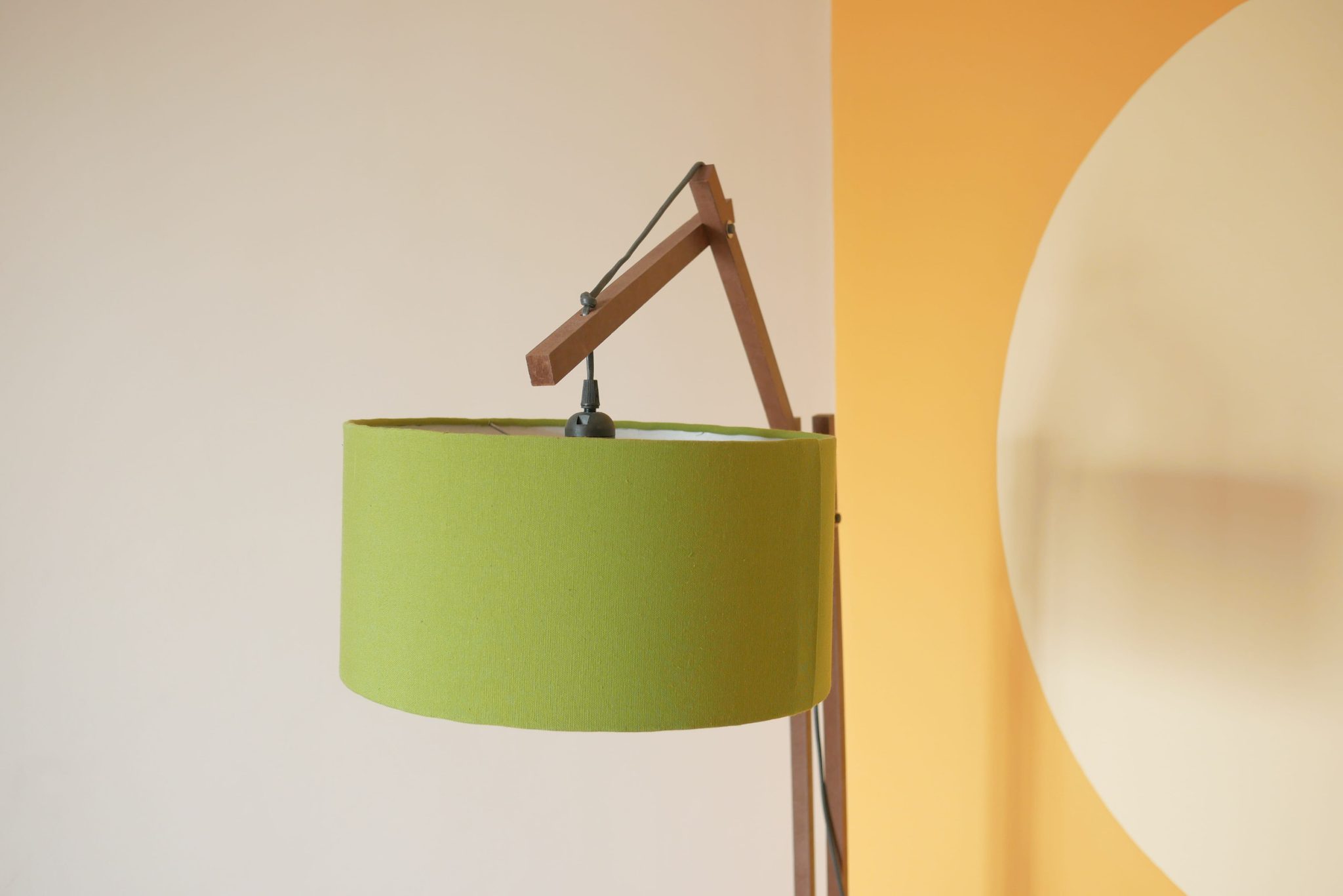
For evenings and cloudy days, layering your artificial light makes a real difference. Use overhead ambient lighting alongside floor and table lamps, and swap in warm-toned bulbs where you can. The goal is to move away from flat overhead light, which has a way of making rooms feel like waiting rooms.
If you’ve been dragging since winter, a light therapy box might be worth adding to your morning routine. It gives the brain a cue for alertness that sunlight would normally provide. Therapist and psychology professor Jillian Amodio says it can “restore hormonal balance, release feel-good chemicals in the brain, and regulate natural cycles and rhythms in the body and brain.” In plain terms: it can help you feel like yourself again after months of dim days.
Scent: more personal than you think
There’s no single right answer here, and that’s kind of the point. Bean notes that when a scent feels pleasant and familiar, it creates “a greater sense of ease and safety in the body.” Lavender, chamomile, sandalwood, and vanilla tend to calm. Citrus, eucalyptus, and peppermint lean more energizing. Start with whichever direction you need more of right now.
The delivery method matters more than people expect. Interior designer Pamela Stang of Stang Design recommends cold-air diffusion devices over candles for consistent dispersal without fire risk; they come in small portable versions or ones that connect directly to an HVAC system. Lerner’s preference is a reed diffuser: subtle, constant, and requires no attention once it’s in place.
Sound: steadier than silence
Easy to overlook, but it adds up. Bean says the most soothing sounds for the nervous system are “gentle, rhythmic, and predictable.” Think rain, ocean waves, birds, white noise, a fan, or soft ambient music. They give the mind something steady to orient to, which is useful during stress or when the house feels too quiet in a way that puts you on edge rather than at ease.
The surfaces in a room affect this too. Hard materials like tile, stone, and glass bounce sound around and can make a space feel louder and more tiring than it actually is. Rugs, drapes, upholstered furniture, and other textiles absorb ambient sound and pull the room back to something quieter without any rearranging.
None of this requires buying anything new. It’s more about paying attention to what the room is already doing to you, and adjusting the things that are easy to change.
Did this solution stand out? Share it with a friend or support our mission by becoming an Emissary.